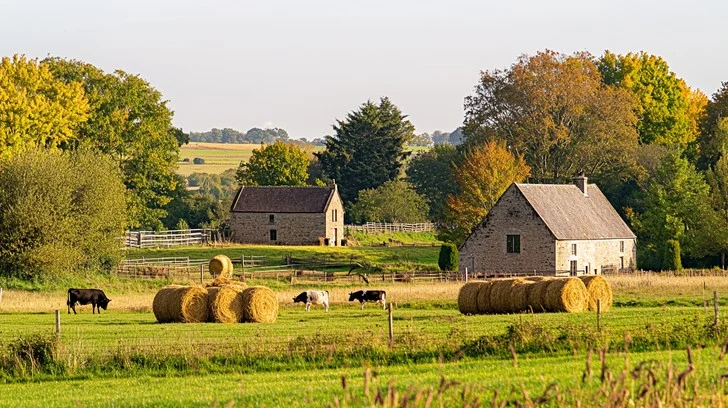

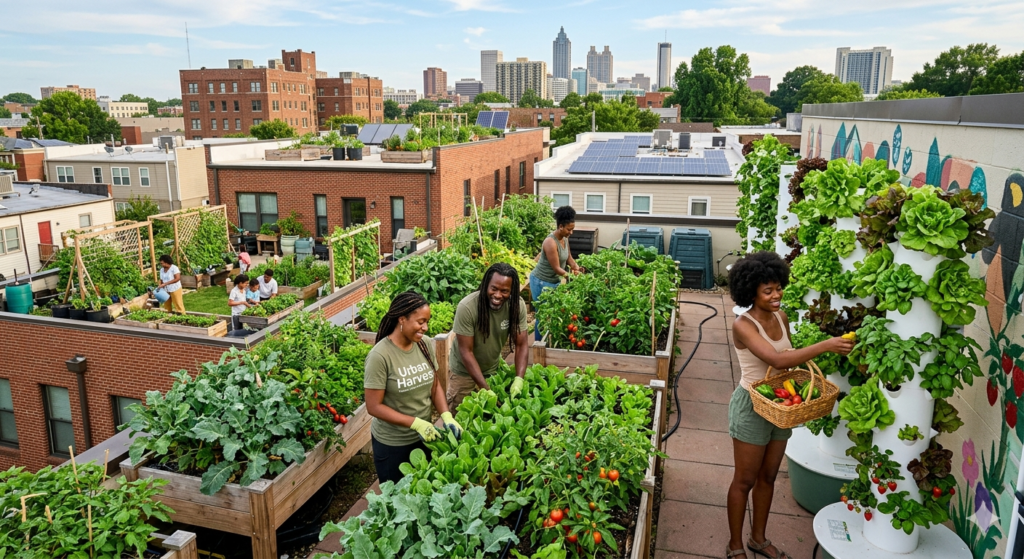
Cities are expanding faster than farmland and one truth is becoming impossible to ignore: the future of food is urban.
For decades, nations have depended almost entirely on rural agriculture to feed their populations. But today, that model is under pressure as a result of rapid urbanization, climate change, land degradation, and rising food costs. Meanwhile, cities, which were once seen only as centers of consumption, are quietly emerging as powerful engines of food production.
Urban farming is no longer a trend or luxury. It is a necessity. And more importantly, it is the surest way to feed the nation sustainably, efficiently, and inclusively.
1. Food Security Starts Where People Live
The biggest challenge in food systems today is access to people. Most large farms are located in secluded areas away from the consumer.
Urban farming tackles this problem head-on by bringing food production closer to consumers. Instead of relying on long supply chains that are vulnerable to disruptions, cities can produce a significant portion of their own food locally.
- Urban agriculture already contributes 5–10% of global vegetable and legume production
- In some estimates, 15–20% of global food is produced in urban and peri-urban areas
This means cities are already producers, not just consumers. Scaling this up could dramatically reduce hunger and food shortages.
2. It Cuts Food Costs and Puts Money Back in People’s Pockets
Food prices are rising globally, and urban households spend a significant portion of their income on feeding themselves. Urban farming flips this equation. When families grow their own vegetables, raise poultry, or participate in community farms, they reduce household food expenditure, gain direct control over food supp and create additional income streams.Studies show urban agriculture improves food security through both increased access to food and increased income .
3. It Maximizes Limited Land Through Innovation
One of the biggest arguments against agriculture in cities is space. But urban farming is not traditional farming—it is smart farming. With innovations like: Vertical farming, Rooftop gardens, Hydroponics and aquaponics, cities can produce more food using less land and fewer resources. Even small backyards, balconies, and unused plots can become productive food systems.
4. It Builds Resilience Against Food Crises
Global food systems are fragile. A single disruption—whether a pandemic, conflict, or fuel crisis—can trigger widespread shortages. Urban farming creates localized food systems, reducing dependence on long-distance transportation, imports and external shocks. In fact, experts highlight urban agriculture as a key strategy to reduce over-dependence on rural production and strengthen city resilience . When cities grow their own food, they become less vulnerable and more self-sufficient.
5. It Improves Nutrition and Public Health
Access to food is one thing—access to nutritious food is another. Urban farming provides households with fresh vegetables, fruits rich in micronutrients and cleaner, healthier food options. This directly combats malnutrition, poor diets and lifestyle diseases. Research shows that home-grown food improves dietary diversity and overall health outcomes .
6. It Creates Jobs and Empowers Communities
Urban farming is not just agriculture—it is an economic movement. It creates opportunities for youth employment, women empowerment, small-scale entrepreneurs. Globally, 100–200 million urban farmers already supply fresh produce to city markets. From backyard poultry to commercial hydroponics, urban farming opens doors for inclusive economic growth, especially in developing countries.
7. It Transforms Cities into Sustainable Ecosystems
Beyond food, urban farming is a sure way to improve the quality of the environment. Urban farming helps to reduce waste through composting, lowers carbon emissions since there is less food transport and reduces the generally high urban temperatures.According to development studies, urban agriculture contributes to sustainable, inclusive, and greener cities .
The question is no longer whether urban farming can feed the nation.
The real question is:
Can we afford to ignore it?
Urban farming is practical, scalable, inclusive and sustainable. It brings food closer, reduces costs, creates jobs, and builds resilience.
If you are looking to start a farm at your own backyard, get in touch with us on:
+233 206 722 296/+233 530 551 562
bd@bricsafricaagribusiness.com